You can increase libido during menopause by addressing physical changes that make sex uncomfortable, supporting your body with exercise, sleep, and stress control, rebuilding intimacy with your partner, and considering medical options such as hormone replacement therapy, testosterone, laser vaginal therapy, or the Libido Shot when lifestyle changes are not enough. Most women do better when they combine several of these approaches rather than relying on a single fix.
Low desire after menopause is common, and it is treatable. At Below The Belt in Phoenix, we focus on sexual wellness for women and men, including Low libido, vaginal dryness, and painful sex. This article covers how to increase libido during menopause: expert tips organized by lifestyle, relationship, product, and medical approach.
Desire depends on hormones, blood flow, comfort, mood, energy, and connection with a partner. Menopause can affect every one of these at once. That is why a single change rarely solves the problem, and why it helps to understand what is driving your symptoms first.
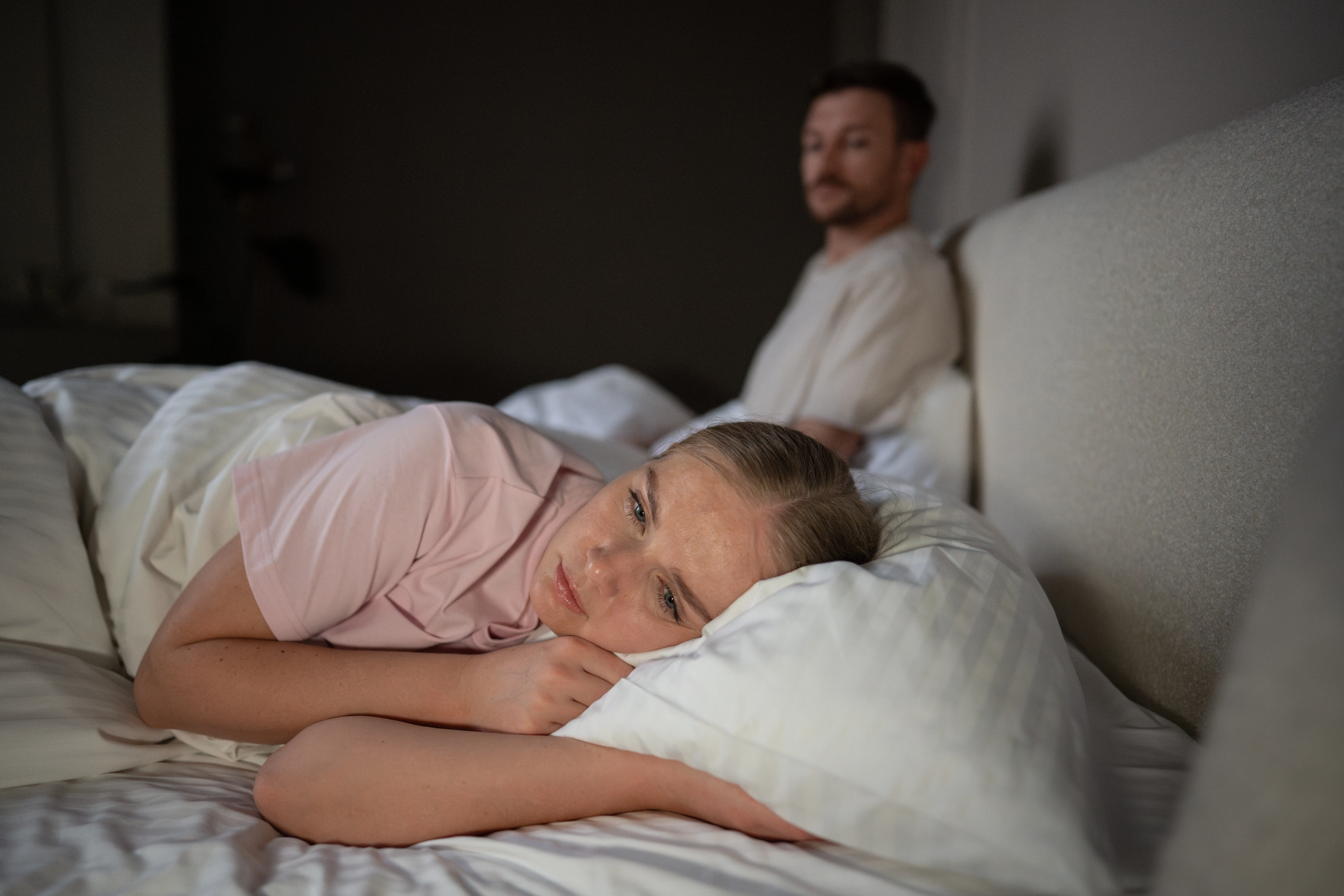
Menopause is the point when a woman has gone 12 months in a row without a menstrual period. It marks the end of ovulation and a steep drop in the hormones the ovaries produce. The years leading up to it are called perimenopause, and changes in desire often begin there.
Estrogen keeps vaginal tissue thick, elastic, and moist. It also supports blood flow to the genitals, which affects arousal and sensation. When estrogen falls, tissue can become thin and dry, and sex can start to hurt. Pain trains the brain to avoid sex, and desire fades.
Testosterone also declines with age. In women, it plays a role in sexual thoughts, motivation, and energy. Lower levels can leave some women feeling indifferent toward sex even when they love their partner.
Our page on Menopause explains the wider range of symptoms we help women manage during this transition.
Low libido during menopause usually has more than one cause. The most common include:
Vaginal dryness and thinning tissue. This can make penetration uncomfortable or painful. Read more about vaginal dryness.
Painful sex. Discomfort during intimacy is one of the fastest ways to lose interest. Our page on painful sex covers this in more detail.
Lower testosterone. Reduced testosterone can dull desire and arousal.
Hot flashes and night sweats. These disrupt sleep and leave many women too tired for intimacy.
Mood changes. Anxiety, irritability, and depression are common during the transition.
Bladder leakage. Stress incontinence can make women self-conscious during sex.
Body image shifts. Weight changes and skin changes can affect how confident a woman feels.
Medications. Some antidepressants and blood pressure drugs lower desire.
Relationship stress. Long-standing tension or a partner’s own sexual health changes can affect both people.
Pinpointing which of these apply to you guides which strategies will help most.
The approaches below range from daily habits you can start today to medical treatments that require an evaluation. Many women start with lifestyle changes and add medical care if their symptoms continue.
Lifestyle habits will not reverse hormone changes. They can improve energy, mood, blood flow, and body confidence, which all support desire.
Regular movement improves circulation, including blood flow to the pelvis. Better blood flow supports arousal and sensation. Exercise also lifts mood, reduces stress, and helps with weight changes that can affect self-image.
Aim for a mix of activities:
Aerobic exercise such as brisk walking, cycling, or swimming most days of the week.
Strength training two or more days per week to protect muscle and bone.
Pelvic floor exercises to strengthen the muscles that support the bladder and vagina. Stronger pelvic muscles can improve sensation and help with mild leakage.
Yoga or stretching to improve flexibility and body awareness.
In Phoenix, early morning or evening workouts make outdoor activity more comfortable during the hotter months. Consistency matters more than intensity.
Stress and poor sleep are two of the most overlooked libido killers. Chronic stress raises cortisol, which can suppress sex hormones and push intimacy to the bottom of your list. Poor sleep drains energy and worsens mood.
Steps that help:
Keep a regular bedtime and wake time.
Keep the bedroom cool, dark, and quiet to reduce night sweats.
Limit alcohol and caffeine, especially later in the day.
Practice deep breathing, meditation, or mindfulness for a few minutes daily.
Set aside time for activities that help you relax and feel like yourself.
If hot flashes and night sweats are waking you every night, treating them directly with medical care often improves sleep and desire together.
No single food acts as a libido switch. A balanced diet supports heart health, steady energy, and healthy weight, which all affect sexual function.
Focus on:
Vegetables, fruits, and whole grains for fiber and steady energy.
Lean proteins and fish for muscle and heart health.
Healthy fats from olive oil, nuts, seeds, and avocado.
Plenty of water, since dehydration can worsen dryness.
Fewer processed foods and added sugars, which can affect mood and energy.
Heavy drinking can lower arousal and interfere with sleep. Smoking reduces blood flow throughout the body, including to the genitals.
Desire does not exist only in the body. How you and your partner talk about sex, and how you define intimacy, shapes whether desire can return.
Many women stop talking about sex once it becomes uncomfortable. Partners may read avoidance as rejection, and the distance grows. A direct, honest conversation can reset things.
Tips for that conversation:
Choose a calm, private moment away from the bedroom.
Explain the physical changes you are experiencing in plain terms.
Share what feels good now and what does not.
Ask your partner about their own feelings and concerns.
Agree on small steps rather than expecting change overnight.
Partners often feel relief once the issue is named. Many have their own changes in sexual health with age. Below The Belt also treats men’s concerns such as erectile dysfunction and low libido, so both partners can get support.
For many couples, sex has meant intercourse for decades. During menopause, widening that definition can take pressure off and bring pleasure back.
Ideas to explore:
Extended touch, massage, and kissing without a goal of penetration.
Taking more time for foreplay, since arousal often takes longer after menopause.
Trying new positions that reduce pressure or friction.
Scheduling intimacy so it is not always left for the end of a tiring day.
Focusing on closeness and pleasure rather than performance.
Many women find that responsive desire becomes more common with age. This means desire builds after touch begins rather than before. Knowing this can make it easier to say yes to closeness even when you do not feel spontaneous desire first.
Simple products can remove physical barriers to enjoying sex. They are easy to try and work well alongside other treatments.
A good lubricant is often the first and easiest fix for menopausal dryness. It reduces friction and makes penetration more comfortable.
Types to know:
Water-based lubricants are easy to clean and safe with condoms and most toys. They may need re-applying.
Silicone-based lubricants last longer and work well for women with significant dryness. They are not safe with silicone toys.
Vaginal moisturizers are different from lubricants. They are used several times a week to keep tissue hydrated between sexual activity.
Choose products without fragrances, warming agents, or glycerin if you are prone to irritation or infections. If lubricants are not enough, the tissue itself may need treatment.
Reduced blood flow after menopause can make arousal and orgasm harder to reach. Vibrators provide stronger, steadier stimulation that can help.
Benefits include:
Increased blood flow to the clitoris and vaginal tissue.
Easier arousal and orgasm.
A low-pressure way to learn what feels good now.
A tool partners can use together to add variety.
Vaginal dilators are another option for women whose tissue has narrowed or who feel pain with penetration. Used gradually, they can help tissue stretch and relax.
When lifestyle changes and products are not enough, medical care can address the underlying causes. Our provider, Jacob Shank, evaluates each patient’s symptoms, health history, and goals to build a plan that fits the cause of her low libido.
A sex therapist or counselor can help with the emotional and relational side of low desire. Therapy is useful for women dealing with anxiety around sex, body image concerns, past trauma, or communication problems with a partner. Couples counseling can help partners rebuild trust and connection. Therapy often works well alongside medical treatment, since physical and emotional factors usually overlap.
HRT replaces some of the hormones the body stops making during menopause. For many women, HRT reduces hot flashes, night sweats, mood swings, and vaginal dryness. Relief from these symptoms often helps desire return.
HRT can take several forms:
Systemic estrogen through pills, patches, gels, or other delivery methods to treat whole-body symptoms.
Local vaginal estrogen applied directly to the vaginal tissue to treat dryness and pain with sex.
Testosterone therapy for some women whose low desire is linked to Low testosterone.
HRT is not right for every woman. At Below The Belt, HRT is provided under medical supervision after an evaluation determines it is appropriate. Your health history, symptoms, and lab work guide whether hormone therapy is a fit and which form makes sense.
A small number of prescription medications have been developed specifically to treat low sexual desire in women. These work on brain chemistry rather than hormones. Most were studied in premenopausal women, so they are not a fit for everyone after menopause. They can also cause side effects such as nausea, dizziness, or interactions with alcohol.
Your provider may also review medications you already take. Some antidepressants and other drugs lower libido, and adjusting them with the prescribing provider can sometimes help.
For women whose low desire is tied to dryness, thinning tissue, reduced sensation, or mild leakage, in-office treatments offer another path. At Below The Belt, options include:
Laser therapy. This non-surgical treatment uses gentle laser energy to rejuvenate vaginal tissue and improve moisture. It can help women who want relief from dryness and discomfort.
Vaginal rejuvenation. This treatment focuses on restoring comfort and confidence by renewing vaginal tissue.
Amplification Clitoris G Spot. This minimally invasive treatment uses platelet-rich plasma from your own blood and is designed to support intimate sensation and sexual wellness.
The Libido Shot. This treatment is designed to help boost libido and improve intimacy as part of a personalized plan.
These treatments can be used on their own or combined with HRT, lubricants, and lifestyle changes. Your provider will explain which options suit your symptoms and goals.
Many supplements are marketed to boost female libido. Common examples include maca root, ginseng, ginkgo, fenugreek, and L-arginine. Some women report benefits, but the research behind most of these products is limited and mixed.
Keep these points in mind:
Supplements are not regulated the same way as prescription medications. Quality and dose can vary widely between brands.
Some supplements interact with blood thinners, blood pressure drugs, and antidepressants.
Products that promise dramatic results are a warning sign.
Supplements cannot fix vaginal dryness, tissue thinning, or significant hormone changes.
DHEA deserves a separate mention. A prescription vaginal form exists for painful sex after menopause, and it works differently from the oral supplements sold in stores. Talk with your provider before starting any supplement, especially if you take other medications or have a history of hormone-sensitive conditions.
Self-care strategies help many women, but some situations call for a medical evaluation. Consider reaching out to a provider if:

Sex is painful, even with lubricant.
You have any vaginal bleeding after menopause.
Low desire has lasted several months and bothers you.
Dryness, burning, or itching affects daily comfort.
Bladder leakage makes you avoid intimacy.
Hot flashes, night sweats, or poor sleep are affecting your quality of life.
You notice signs of depression or anxiety.
Low libido is causing strain in your relationship.
You suspect a medication is affecting your desire.
During an evaluation, your provider will discuss your symptoms, health history, and goals. Testing may include hormone levels when appropriate. You leave with a clear picture of what is likely affecting your libido and a plan tailored to you, which may include lifestyle steps, hormone therapy, in-office treatments, or a combination.
Waiting rarely makes these symptoms better. Thinning vaginal tissue tends to progress without treatment, and avoidance can deepen relationship distance over time.
Low libido during menopause usually stems from several causes at once: hormone shifts, vaginal dryness, poor sleep, stress, and changes in your relationship. The most useful advice on how to increase libido during menopause: expert tips work when they target your specific causes. Start with exercise, sleep, stress control, and open communication. Add lubricants and devices for comfort. When those are not enough, medical options such as HRT, testosterone, laser vaginal therapy, Amplification Clitoris G Spot, and the Libido Shot can address the physical changes directly. Our team at Below The Belt in Phoenix, AZ helps women build a plan that restores comfort, confidence, and desire.