

Somewhere along the way, sex went from something you wanted to something on the to-do list, right below cleaning the gutters. You’re not broken, and you’re definitely not alone. Low sex drive is one of the most common things women bring to a doctor, and one of the least likely to get a real answer.
At Below The Belt, we take it seriously, figure out what’s actually behind it, and walk you through every option with real evidence behind it.

Low libido just means less interest in sex than you used to have, or less than you’d like to have. Plenty of women go through stretches of low desire and aren’t bothered by it, and that’s completely fine. Nobody needs fixing. If it bothers you, though, it’s worth a look.
Doctors call that hypoactive sexual desire disorder (HSDD), which is a clunky name for a very ordinary problem. It affects roughly one in ten women, and it’s routinely brushed off as stress, age, or “just how it is now.” Sometimes it is stress. Often it’s something we can actually do something about.
Desire isn’t one switch. It’s a dial, and a lot of things can turn it down at once:
Most women have more than one of these going on. That’s why we don’t start with a prescription.

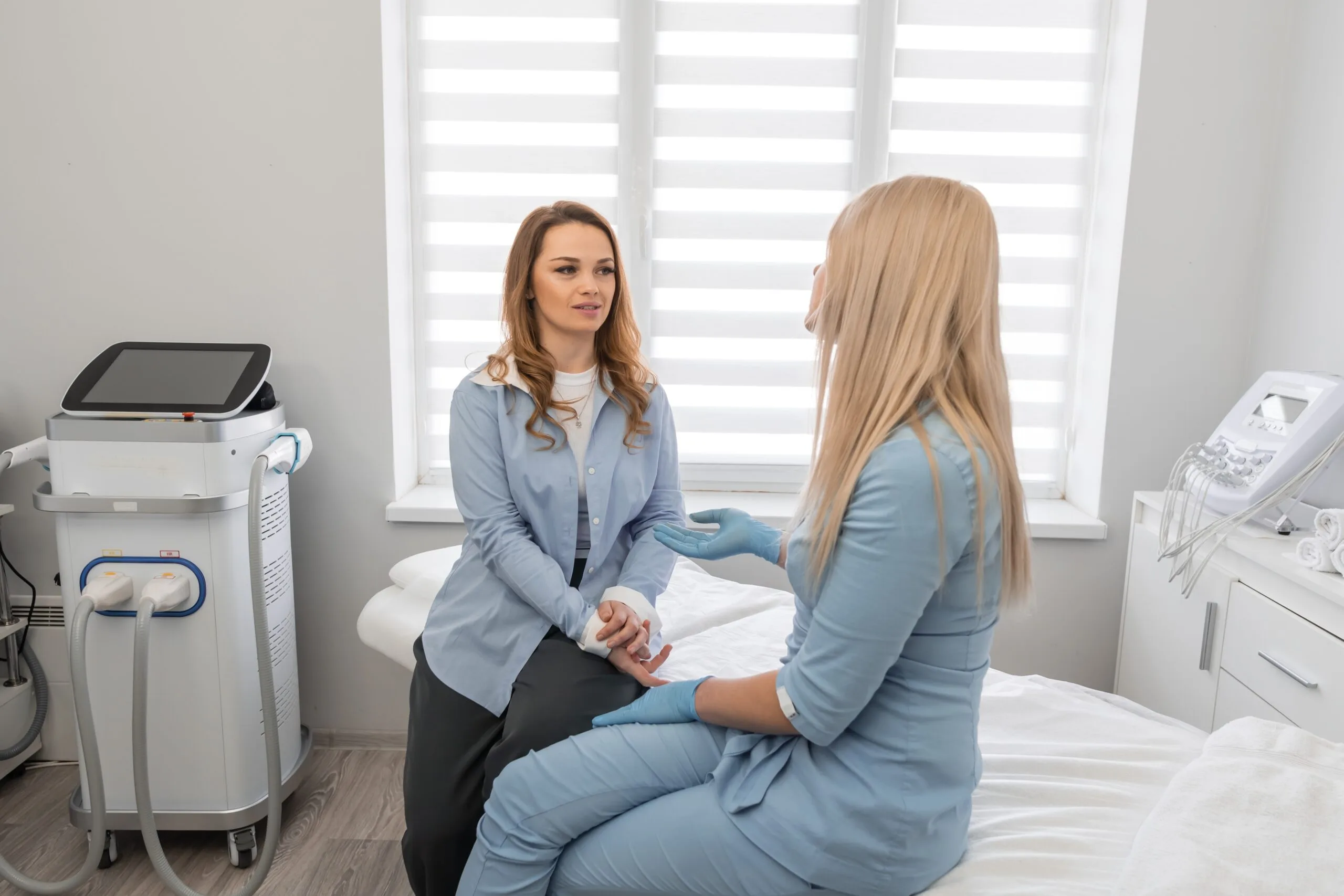
Your first visit is long on purpose. We talk about your health history, medications, cycle or menopause status, sleep, stress, pain with sex, and your relationship: all the stuff a 12-minute appointment never gets to. Nothing you say will make us blink. We’ve heard it all, usually before lunch.
Depending on your story, that may include a pelvic exam and bloodwork. One honest note: no blood test diagnoses low libido in women, and a testosterone level alone can’t tell us whether testosterone will help. Labs are for ruling things out and keeping treatment safe.
Treatment depends on what’s driving the problem, so your plan won’t look like anyone else’s. We lay out the options, what the evidence says about each, and what we’d recommend. Then we decide together.
We check in, recheck labs where needed, and adjust. If something isn’t working, we stop it instead of keeping you on it out of habit.
There’s no single libido pill, no matter how many ads the internet serves you. The right treatment depends on what’s behind the problem, which is why the evaluation comes first. Depending on what we find, options may include:
Most plans combine a couple of these. We’ll talk through what fits you, and you make the call.
Desire usually comes back gradually. Many women notice they’re thinking about sex again before they notice they want to do anything about it. Both count.
Sleep, exercise, alcohol, and stress all affect libido. We won’t lecture you, but we will mention it when the nightly glass of wine is working against you.
Low desire can quietly turn into a standoff where one person avoids and the other feels rejected. Naming it out loud, ideally not in the middle of an argument, takes a lot of pressure off. If it would help, your partner is welcome at a visit.
Follow-ups let us fine-tune what’s working and drop what isn’t. Libido care is maintenance, like your teeth, only more fun.
It depends on the cause and the treatment. Fixing a medication side effect can help within weeks. With testosterone, we recheck your levels about 6 weeks after you start. Most women notice an effect within 6 to 12 weeks, and we reassess at about 6 months. If it hasn’t helped by then, we stop it. Flibanserin can take up to 8 weeks. Bremelanotide works on the day you use it.
Whatever the treatment, if it isn’t helping, we drop it rather than continue on hope.
Results vary. Your plan and expectations will be based on your own evaluation.

Here’s the part most clinics skip: libido is a pretty good barometer for the rest of your health. A drop in desire can be the first sign of thyroid disease, depression, poor sleep, a medication problem, or the start of perimenopause.
That’s the whole idea behind Below The Belt. We treat sexual health as a window into total-body health, so sometimes fixing your libido means finding something else that needed attention anyway.
We’re a cash-pay clinic, so there are no surprise bills from insurance. What you pay depends on what your plan includes:
You’ll get a clear quote after your first visit, before anything starts.
Your care is led by Dr. Jake Shank, a board-certified physician and Menopause Society Certified Practitioner. Low libido is part of his actual training, not a side item on a menu.
We’ll tell you what works, what’s promising, and what’s hype, including about our own treatments. And we’ll talk about sex like adults, without the euphemisms or the awkward pauses.
There’s no normal number. If your desire has dropped and it bothers you, or it’s causing friction in your relationship, that’s reason enough to get it checked. Common signs include fewer sexual thoughts, less interest in starting sex, and trouble getting aroused once things start.
Yes. Antidepressants (especially SSRIs), some blood pressure medications, and hormonal birth control are common culprits. Don’t stop anything on your own. Bring a list and we’ll sort it out together, along with whoever prescribed it.
No. It can happen at any age: after having a baby, during a stressful stretch, or with a new medication. Perimenopause and menopause are common triggers, but far from the only ones.
Yes. In women, low desire is the main symptom testosterone has good evidence for, so we evaluate it as part of a libido workup rather than as a separate diagnosis. A testosterone level by itself can’t tell us whether you’ll benefit. More on our Testosterone Therapy for Women page.
Completely. Your visits and records are kept confidential, and we don’t share anything about your care without your permission.
Book a consultation and bring your questions, even the awkward ones. Especially the awkward ones.
