
Low Testosterone Treatment in Phoenix, AZ

Tired by 2 p.m., a short fuse by 5, and the gym isn’t paying you back like it used to. Maybe your sex drive left without a note.

It could be testosterone. It could also be sleep, stress, or something else entirely, and that’s exactly what we figure out before anyone picks up a syringe.


Stethoscope and clipboard with Low Testosterone checked box and red checkmark
Healthcare provider shows tablet displaying health information and heart symbol to patient during consultation

Testosterone Does More Than You Think

Testosterone drives sex drive and supports erections, but it also affects energy, mood, motivation, muscle, bone, body fat, and red blood cell production. When it runs low, the symptoms are often vague enough to blame on age or a busy life.

Levels decline gradually with age, usually starting in your 30s or 40s. Weight gain, poor sleep, and chronic illness can push them lower, faster.

What Causes Low Testosterone?

  • Age. A slow, steady decline over decades.
  • Extra weight and metabolic issues, like insulin resistance and type 2 diabetes.
  • Poor sleep and sleep apnea. Testosterone is largely made while you sleep.
  • Medications, including opioids and steroids.
  • Chronic illness and high stress.
  • Past anabolic steroid use.
  • Problems with the testicles or pituitary gland, which are less common but important to catch.

Some of these are fixable at the source. When they are, that comes first.
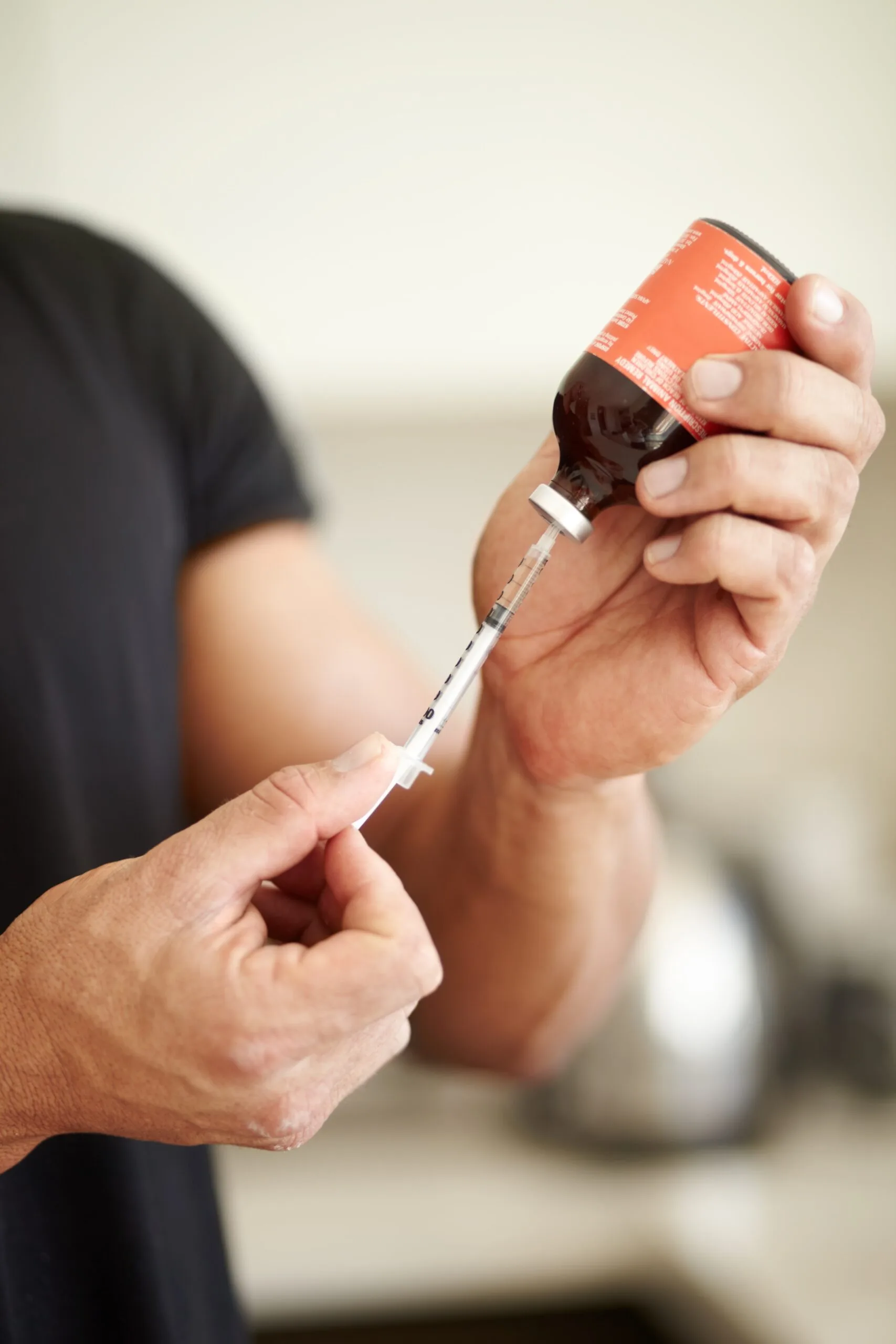
Hands holding vial and syringe preparing testosterone injection

How We Approach It

There’s no single “right” testosterone number. Men vary tremendously, so treatment is led by your symptoms. Labs are there to alert us to anything concerning and keep treatment safe. We check morning testosterone along with free testosterone and SHBG, because a “normal” total level doesn’t always mean your body has enough to use.
Your comprehensive intake covers your full history, a complete lab panel, body composition, strength testing, and VO2 max. Sleep, weight, medications, and other hormone signals tell us whether something is driving low testosterone that should be treated first.
Then we talk through what testosterone can and can’t do for you, the risks, and what it means for fertility. If testosterone makes sense, we start carefully, monitor closely, and adjust based on how you feel. We decide together.

Treatment Options

  • Injections. Usually where we start. Weekly, at home, either under the skin or into the muscle. We teach you how, or we can help with injections in the clinic.
  • Creams and gels. Another good starting option, applied daily.
  • Pellets. Placed under the skin every few months. Convenient, but the dose can’t be adjusted once they’re in, so they work best after we know how your body responds.
  • Fertility-preserving options. Enclomiphene, clomiphene, or hCG can raise your own testosterone production while protecting sperm production.
  • Fixing what’s underneath. Sleep apnea treatment, weight loss, and medication changes can raise testosterone on their own.

Let’s Find Out If It’s Your Testosterone

Monitoring and Safety

We recheck your testosterone about three months after starting, and after any dose change.
Testosterone can thicken the blood. We check your hematocrit every six months and adjust if it climbs.
We check your PSA every year.
A large 2023 trial (TRAVERSE) found that testosterone therapy didn’t increase the risk of heart attack or stroke in men with low testosterone and heart risk factors. It did show slightly more atrial fibrillation and blood clots, which is one more reason monitoring matters.

When Will I Feel a Difference?

Many men notice changes in sex drive, energy, and mood within a few weeks. Changes in muscle, body fat, and bone take several months. If something isn’t improving, we adjust.

Results vary. Your plan and expectations will be based on your own evaluation.

Middle-aged man sitting on bed in contemplative pose wearing white t-shirt

Is This You?

Testosterone and Fertility

This is the part too many men don’t hear until it’s too late: testosterone therapy can reduce or shut down sperm production. That’s often reversible, but not always.

If you might want kids in the future, tell us. We’ll talk it through honestly, and options like enclomiphene, clomiphene, or hCG can raise testosterone while protecting fertility.

Low Testosterone Treatment Cost in Phoenix, AZ

We’re a cash-pay clinic, so there are no surprise insurance bills.

  • Comprehensive intake: $750. Full history, a complete lab panel, body composition, strength testing, and VO2 max testing.
  • Hormone management: $200/month, including follow-up visits and monitoring labs.
  • Add-ons, like pellet insertion or in-clinic help with injections, are priced separately.
  • Our complete health membership goes further, with hormone care as part of a full longevity and regenerative plan.

You’ll get a clear quote before anything starts.

Why Below The Belt?

Your care is led by Dr. Jake Shank, a board-certified physician. We’ll tell you honestly whether testosterone is likely to help, protect your fertility if it matters to you, and monitor you properly if you start, because treating low testosterone well is about more than writing a prescription.

Low Testosterone FAQs

Will I have to stay on testosterone forever?

Not necessarily. Some men stay on it long term, and others use it while fixing the underlying cause. Stopping usually means your levels drift back down, so it’s a decision we make together.

It can, sometimes significantly. If future kids are a possibility, tell us, and we’ll talk about fertility-preserving options.

A large 2023 trial found no increase in heart attack or stroke risk in men with low testosterone. We still monitor closely, including your blood count.

Both are good starting points. Injections are weekly, and creams are daily. We’ll help you pick what fits your life.

It can contribute, along with low sex drive. But ED usually has more than one cause, so we look at the whole picture.

Let’s Talk About What’s Going On Below the Belt

Book a consultation and bring your questions, even the awkward ones. Especially the awkward ones.